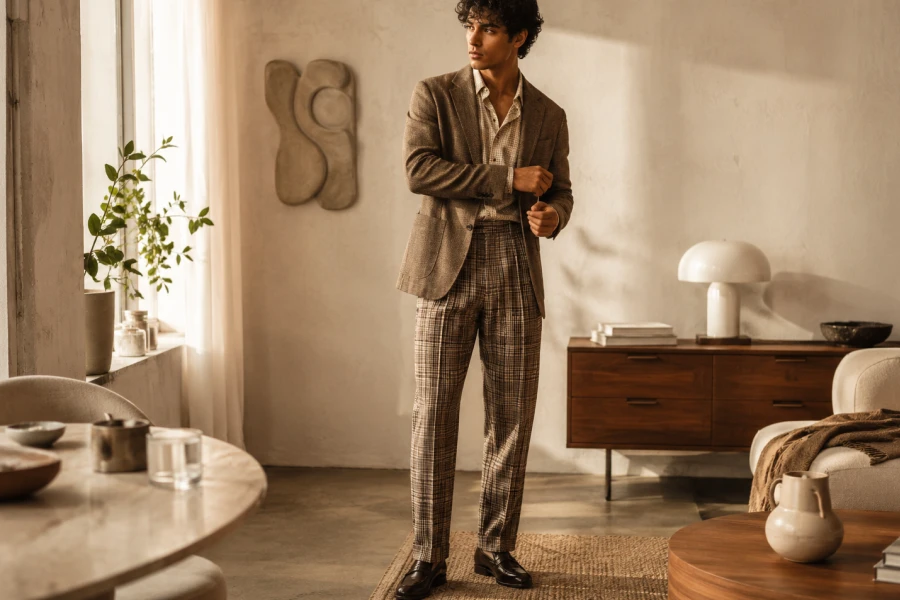
Mixing prints and fabrics brings energy to clothes you already own. It helps simple outfits feel styled. It also gives familiar pieces new life. Many wardrobes contain more possibilities than they show. A striped shirt can change beside tweed. A floral skirt can mature with leather. A satin blouse can soften denim. These combinations create depth. They also make personal style easier to recognize. You do not need a huge closet. You need better relationships between the pieces inside it.
Before combining pieces, decide the mood. Do you want polished, playful, romantic, sharp, or relaxed? Mood keeps styling from becoming random. It also helps texture combinations feel controlled. A crisp stripe and smooth wool can feel professional. A floral print and gauze texture can feel soft. A graphic pattern with leather can feel modern. When mood leads, choices become easier. You stop asking whether pieces match perfectly. Instead, you ask whether they tell the same style story.
Strong mixed outfits need breathing room. If the print is loud, keep fabric shape simple. If the texture is dramatic, choose a quieter pattern. If the color is bold, reduce accessory noise. This restraint makes the main idea stronger. It also keeps the outfit wearable. People often over-style when experimenting. Editing helps the combination look intentional. The eye needs somewhere to rest. A plain shoe, clean bag, or simple base layer can make the whole look better.
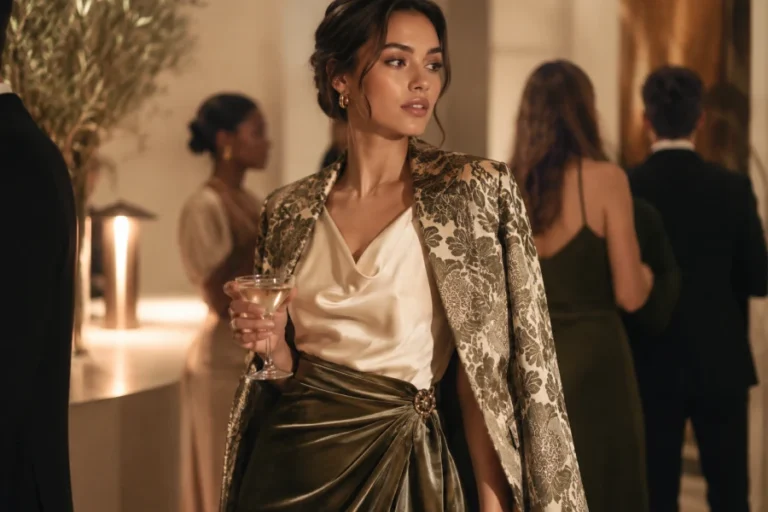
Proportion controls the final impression. A printed blouse tucked into structured trousers feels different from the same blouse loose over denim. A textured jacket can overwhelm a delicate dress if the scale feels heavy. Smart outfit coordination considers shape as much as surface. Balance volume with clean lines. Pair fluid fabrics with structure when needed. Let fitted pieces support oversized ones. Check the outfit from several angles. Good proportion makes mixed styling look expensive. Poor proportion makes even beautiful pieces feel awkward.
Patterns become easier to combine when they are not too similar. A tiny floral can pair with a wide stripe. A bold plaid can work with a fine dot. A graphic motif can sit beside subtle texture. The difference creates order. Similar patterns can blur together. They may look like an accidental mismatch. Give each pattern its own role. One can lead. One can support. One can appear only in an accessory. Visual distance helps the outfit feel curated.
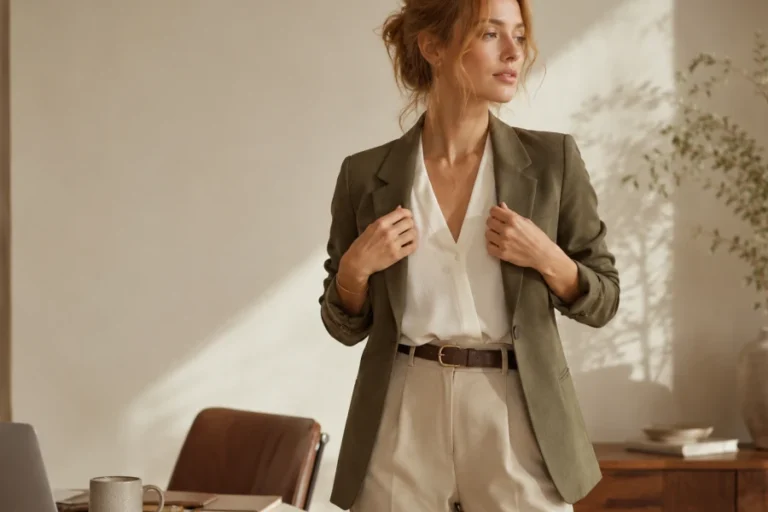
Work outfits often become predictable. Mixed styling can update them without breaking dress codes. Try a striped blouse under a textured blazer. Pair checked trousers with a smooth knit. Use confident styling in controlled doses. Keep the color palette refined. Let tailoring carry professionalism. Avoid combinations that feel distracting in meetings. The goal is interest, not noise. One smart mix can make office basics feel current. It also shows personality while staying polished.
Accessories connect prints and fabrics when the outfit needs unity. A belt can repeat a color from a pattern. Shoes can echo the texture of a bag. Jewelry can soften or sharpen the mood. Scarves are especially useful because they carry color and pattern together. Use accessories as bridges, not extra competition. They should help the outfit make sense. If they create confusion, remove them. Mixed styling often improves with one less item. The right accessory makes the combination feel finished.
Repetition builds confidence. Start with one reliable formula. Repeat it in different colors or seasons. Notice which combinations earn compliments. Notice which ones feel like too much. Style improves through testing. Keep photos of outfits that work. They become references for busy mornings. Over time, your eye becomes sharper. You will see links between pieces faster. The process becomes less risky and more enjoyable. That is when everyday dressing starts to feel creative again.

Leave a comment